
Introduction: The Grocery Bill Shock
Have you ever walked out of the store thinking, “Wait… how did I just spend $150 on snacks and milk?”
You’re not alone — grocery prices have risen more than 20% since 2022, and smart shoppers are now learning how to cut costs without cutting quality.
Whether you’re feeding a family or just yourself, saving on groceries doesn’t mean eating less — it means buying smarter.
Here’s your complete 2025 guide to slashing your grocery bill and keeping more cash in your pocket.
🧠 1. Plan Before You Shop
Impulse buying is the #1 grocery budget killer.
Always start with a meal plan and a shopping list — and stick to it.
📝 Pro Tips:
-
Plan 3–5 simple meals you can mix and match.
-
Check your pantry first to avoid buying duplicates.
-
Use free apps like Mealime or Notion Grocery Planner to organize your list digitally.
💡 Bonus: Never shop hungry — you’ll spend 20–30% more.
💳 2. Use Cashback and Reward Apps
If you’re not earning cash or points every time you shop, you’re leaving free money on the table.
💰 Top apps in 2025:
-
Ibotta: Earn real cashback for uploading receipts.
-
Fetch Rewards: Scan any receipt and collect points for gift cards.
-
Rakuten: Get cash back for online grocery orders.
🧠 Smart move: Stack rewards — use cashback + a store loyalty card + your credit card rewards.
🏷️ 3. Don’t Ignore Store Brands
Gone are the days when store brands meant low quality.
Today, private-label products (like Costco’s Kirkland or Target’s Good & Gather) often come from the same factories as name brands — but cost 15–30% less.
🧂 Try this:
-
Switch 3 common items (milk, pasta, paper towels) to store brands for a week.
-
Track how much you save.
You’ll be surprised how fast it adds up.
🥦 4. Buy Seasonal and Local
Produce prices drop when fruits and vegetables are in season.
Buying locally at farmer’s markets or co-ops often means fresher food at a lower price — especially near closing time when vendors discount leftovers.
🌽 Example:
Strawberries in summer cost half what they do in winter.
💡 Bonus Tip: Freeze or can seasonal items to enjoy year-round.
📦 5. Buy in Bulk (But Be Smart About It)
Buying bulk can save money — if you actually use it.
Stick to non-perishables and freezer-friendly foods.
✅ Bulk-buy essentials:
-
Rice, beans, pasta
-
Toilet paper & cleaning supplies
-
Frozen fruits, veggies, meats
🧊 Tip: Use airtight containers to extend shelf life.
📲 6. Shop with Digital Coupons
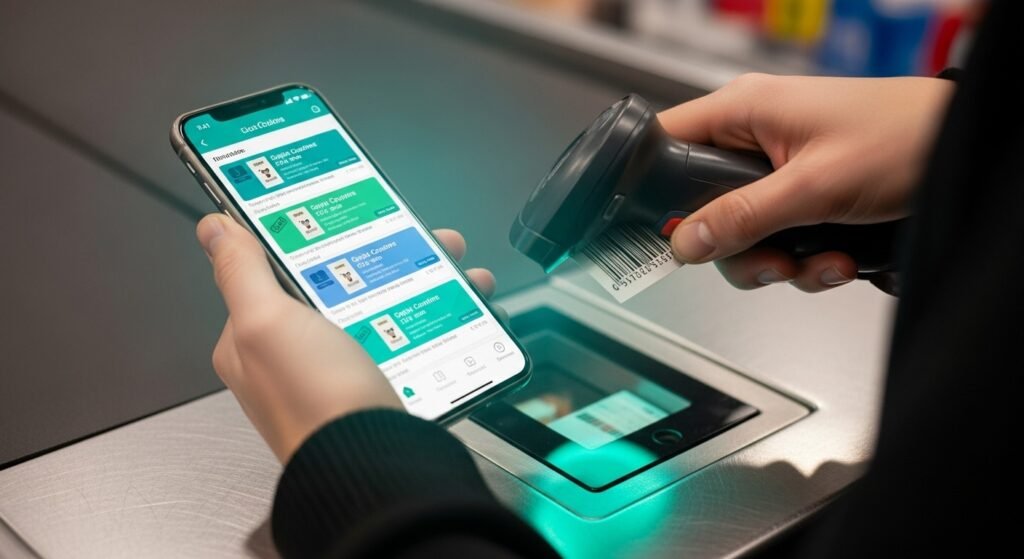
Almost every major grocery chain now offers digital coupons in their app.
Instead of clipping paper coupons, just scan your store’s app before checkout.
🔥 Best apps:
-
Kroger / Walmart / Target apps
-
Coupons.com
-
Honey (for online grocery orders)
💡 Trick: Combine store coupons + manufacturer coupons + cashback = triple savings.
⏰ 7. Shop Midweek, Not Weekends
Grocery stores restock midweek and often discount old stock on Tuesdays or Wednesdays.
Avoid weekends — prices are rarely discounted and aisles are crowded.
🛒 Best time: Early morning midweek = fresh items + markdowns.
🍳 8. Cook More, Waste Less
Food waste silently eats your budget.
Leftovers are your best friends — turn yesterday’s dinner into tomorrow’s lunch.
👨🍳 Example:
-
Roast chicken → chicken salad or soup
-
Cooked rice → fried rice or burrito bowl
💡 Pro Tip: Freeze extras in labeled containers — future you will thank you.
💧 9. Skip Bottled Drinks
Soda, bottled juices, and fancy coffee drinks are sneaky budget destroyers.
Replace them with filtered water, homemade coffee, or fruit-infused water — saves $30–$50 a month easily.
💡 10. Track Your Grocery Spending
You can’t save what you don’t track.
Use a budget tracker app (like YNAB, Mint, or PocketGuard) to monitor your grocery expenses and set weekly limits.
📊 Goal: Keep groceries under 15–20% of your monthly income.
🧾 Conclusion: Small Tweaks = Big Wins
Saving on groceries isn’t about deprivation — it’s about being intentional.
Plan smart, use apps, switch brands, and shop strategically.
You’ll eat better, waste less, and keep more money for the things that truly matter.
Because when you control your grocery spending — you control your finances. 💵